

Choosing the Right Renewable Energy for Your Buy-to-Let Property: What Landlords Need to Know
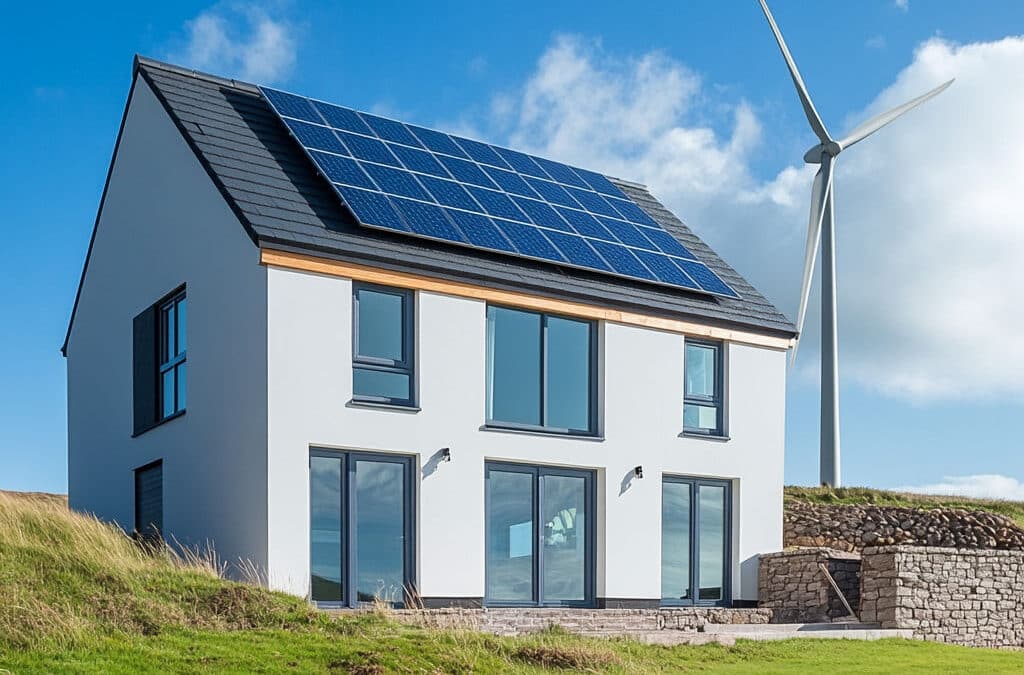
Choosing the Right Renewable Energy for Your Buy-to-Let Property What Landlords Need to Know
Scotland is at the forefront of a green energy revolution, with ambitious renewable energy targets that create unique opportunities for buy-to-let property owners. Renewable energy production in Scotland now accounts for approximately 97% of total electricity consumption, and the expanding potential for renewables has resulted in a considerable increase in environmentally friendly output.
Our continued commitment to sustainable living has resulted in a dynamic environment in which landlords can play a significant role in driving environmental change. Renewable energy is a strategic investment that has numerous advantages, including lowering carbon footprints, possibly increasing property values, recruiting environmentally concerned renters, and maximising earnings. In this blog post, we’ll look at the many renewable energy options available to private landlords and how the landlord may incorporate them into buy-to-let properties.
What are the different renewable energy system options available to landlords?
Solar panels
Solar panels are one of the most well-known sources of renewable energy, and they can significantly improve the energy performance certificate of privately rented homes. Modern photovoltaic systems can generate electricity even under diffused light circumstances, making them economical in Scotland, even on cloudy days. Solar installations for rented properties provide the dual benefit of reducing energy expenses while also potentially earning cash through feed-in tariffs.
The initial expenditure can be significant, depending on the size of the array you choose, but breakthroughs in solar technology and lower installation costs have made solar systems more affordable than ever. When planning solar installations, landlords must also consider the placement of the roof, any neighbouring shade, and the property’s structural stability.
Wind energy
Wind energy is another interesting renewable option, especially for residences in coastal areas, which can help improve the energy efficiency rating. Domestic wind turbines vary in size from small roof-mounted units to huge standalone structures, with each having its own set of advantages and considerations. Community wind energy efforts also provide unique options for landlords looking to contribute to renewable energy without needing direct installation.
Micro combined heat and power
Micro combined heat and power, or Micro-CHP, generates heat and electricity simultaneously from the same energy source, typically at a 6:1 ratio, improving the energy performance certificate (EPC rating) of a property. The system is fuelled by mains gas or liquefied petroleum gas, while some can function on biodiesel. While it is fuelled by fossil fuels, it is considered a more renewable choice because it can also generate energy for increased efficiency. The amount of electricity generated over the course of a year is determined by the system’s operating time.
Heat pumps from the ground or the air
Heat pump technology is an advanced form of sustainable heating that extracts thermal energy from the ground or air to offer effective home heating and cooling. In Scotland’s changing climate, these devices can assist in maintaining ideal indoor temperatures while drastically lowering carbon emissions.
Ground source heat pumps require initial ground excavation, which necessitates enough outside area, but they provide greater efficiency. Air source heat pumps require less invasive installation, making them ideal for rental homes, particularly flats.
Biomass heating systems
Biomass systems generate heat from organic materials such as wood pellets, chips, and logs. Modern biomass systems have made significant improvements in efficiency and cleanliness, addressing some of the previously raised concerns about emissions. Fuel storage, accessibility, and system infrastructure needs are all important aspects to consider when building a biomass boiler.
How to determine what system to choose?
There are several aspects to consider before investing in renewable energy.
The property’s energy requirements
Evaluate the property’s energy requirements first. Consumption patterns, previous energy bills, and seasonal variations in energy use depending on the number of tenants or their lifestyle can all be useful.
The size of the property
Another factor is the property’s size and layout. What is the property’s roof space and which direction does it face? For instance, these specifics will establish whether solar power for the property would be practical or whether there is a better alternative. In order to install some equipment in your flat, you might also need to ask the property owner for approval to ensure compliance with energy efficiency measures.
The current heating systems
If you’re looking to replace your current heating system with a low-carbon option, you need to think about what kind of fuel you’ll be switching to. If the house is connected to the gas grid, for instance, and a modern heating system is already installed, switching to a renewable heating system could not be cost-effective because it could result in increased fuel costs. Likewise, ground source heat pumps may not be as energy efficient as those found in homes with warm air or underfloor heating systems if the property has radiators.
Costs
It is undeniable that the initial cost of renewable energy solutions is significant. You should consider how much you are willing to pay to have them installed initially, even though they are worth it in the long run. The system you choose and any additional work that may be needed, such as repairing the roof to accommodate solar panels or preparing the ground for excavations for heat pumps, may affect the final cost.
If you want to use a biomass boiler, you may have to pay more for fuel, system maintenance, and insurance. Financial subsidies and incentives, however, can help offset the initial investment to some degree. Energy storage systems, insulation, and renewable heating can all be funded with up to £15,000 from the Private Rented Sector Landlord Loan, helping to enhance the minimum energy efficiency standard of new tenancies.
Enhancing Energy Efficiency in Rental Properties
Enhancing rental homes’ energy efficiency benefits both landlords and the tenants that let a property, in addition to the environment. Energy-efficient improvements can have a significant impact on everything from utility bill savings to property value inflation, making it essential for landlords to consider energy efficiency measures.
Reducing carbon emissions is one of the most important things we can do to lessen Scotland’s impact on climate change. The government aims to make all our homes, including rental properties, greener and more energy-efficient by 2045. In buy-to-let properties, switching to renewable energy is a chance to embrace environmental responsibility, increase revenue, and draw in environmentally conscious tenants.