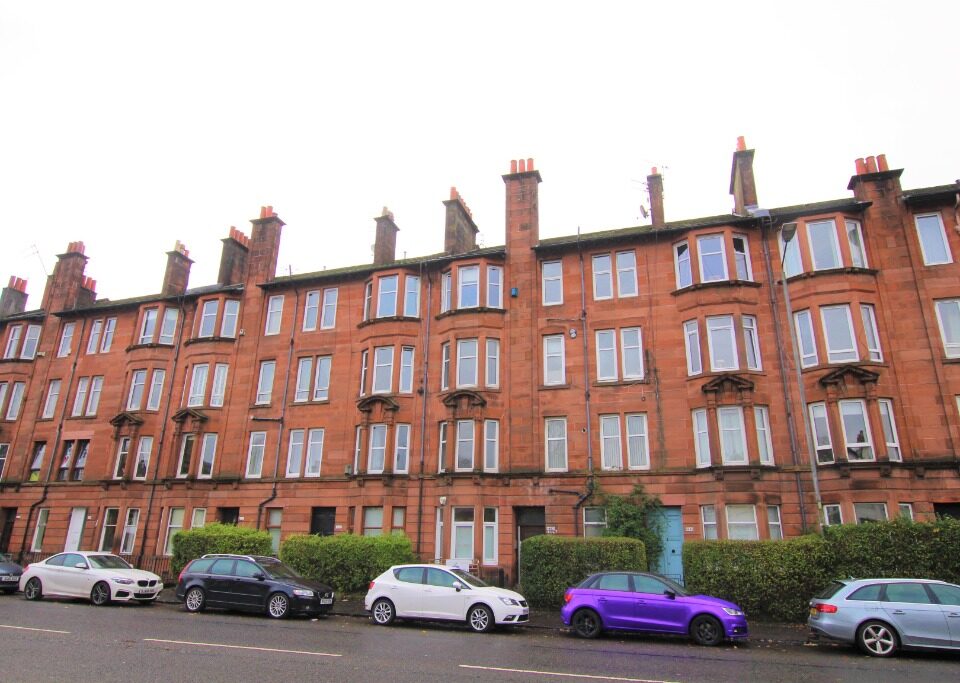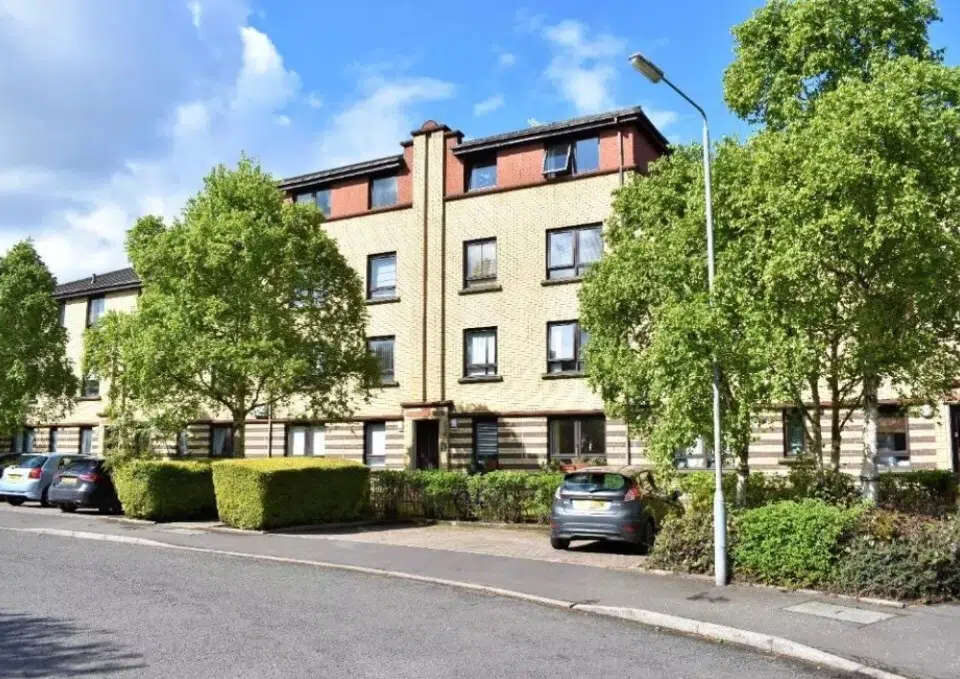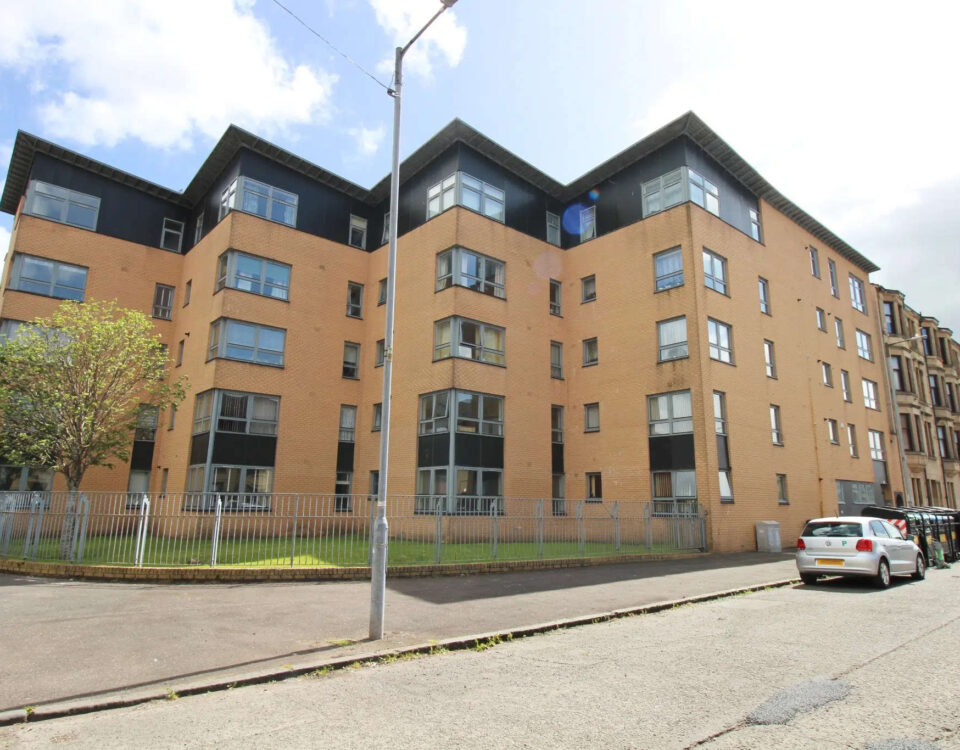


It is one of the questions we are asked most often by Glasgow landlords. Your costs have gone up: your mortgage, your insurance and your maintenance bills, but the rent has sat at the same level for a year or two. So, understandably, you want to know: Am I actually allowed to put it up?
The short answer is yes, Landlords in Scotland can increase the rent. But there are strict rules about when you can do it, how you have to do it, and increasingly, by how much. Get the process wrong and the increase simply does not count, no matter how reasonable the figure was. That is the part that catches people out.
Here is what the rules actually say in 2026, what is changing, and what it all means if you let a property in Glasgow.
The short answer
If you have a Private Residential Tenancy, which covers almost every private let in Scotland that started on or after 1 December 2017, you can increase the rent. But you must:
- only increase it once in any 12-month period
- give the tenant at least three months’ written notice
- use the correct, official rent-increase notice to do it
Miss any of these steps and the increase becomes invalid. The rent stays exactly where it was.
You can only raise rent once every 12 months
This is the rule that surprises landlords most. It does not matter if your circumstances change, your costs jump, or the market moves. You get one rent increase per 12-month period, and that is it.
It is also worth knowing where this is heading. Under the Housing (Scotland) Act 2025, rent will not be allowed to rise during the first 12 months of a tenancy at all. The exact date this particular rule comes into effect is still to be confirmed, but the direction of travel is clear. In practice, a well-run tenancy treats the first year as settled in any case. So if you are setting a rent for a new tenant, set it right at the start rather than planning to nudge it up a few months in.
You must give three months’ notice, in writing, on the right form
A casual heads-up does not cut it. Neither does a text, a quick email, or a conversation at a viewing. To legally increase the rent, you have to serve the official rent-increase notice. It needs to be completed correctly, signed and dated, and if you are sending it by post or email, you should allow a couple of days for it to arrive.
If you tell a tenant about an increase in any other way, the law treats the rent as unchanged. This is the single most common reason a rent increase fails. It is also completely avoidable.
Is there a cap on how much you can increase the rent?
Right now, outside of any designated rent control area, there is no legal cap on the size of a private rent increase. In principle, you can propose any figure, but “no cap” does not mean “no limits”.
If a tenant thinks your proposed rent is above the going rate, they can challenge it, and a proposed increase that is wildly out of step with the local market is exactly the kind of thing that gets referred and reduced. The sensible approach has always been to price in line with the market, rather than choosing a figure based on frustration or emotion.
This is the bit we feel strongly about. A fair, evidence-based increase that keeps a good tenant in place is almost always worth more than an aggressive one that triggers a dispute, a void, or a tenant who starts looking elsewhere. Lettings, done well, should be boring. No drama, no surprises.
What happens if a tenant challenges the increase?
If a tenant believes the proposed rent is excessive, they may refer it for review. As things stand in 2026, here is how that works:
The tenant applies to Rent Service Scotland within 21 days of receiving the notice. A rent officer then assesses the open-market rent for your property, based on what similar homes in the area are actually letting for. They aim to decide within around 40 days and may visit the property first.
There is one detail every landlord should understand. Under the current rules, the rent officer can set the rent higher or lower than the figure you proposed. If either side disagrees with the decision, they can ask for a review within 14 working days, and after that appeal to the First-tier Tribunal for Scotland (Housing and Property Chamber). There is no fee to appeal.
An important change is coming in April 2027
From 1 April 2027, the rent-adjudication system changes under the Housing (Scotland) Act 2025. Two things happen: first, tenants have a little more time to apply for a review, up to 30 days rather than 21. Second, and more significantly, when a rent officer or the Tribunal sets a rent, it will no longer be allowed to come back higher than the figure the landlord originally asked for.
Put simply, at present, a tenant who challenges a rent increase risks the rent being set even higher, which can discourage some people from challenging it altogether. However, from April 2027, that risk will disappear, and we predict that more tenants will feel comfortable referring increases they think are steep for review. The practical lesson for landlords is the same one as always, just with sharper teeth: be prepared to justify your figure with real, comparable local evidence.
Rent control areas: what Glasgow landlords need to watch
This is the big one for anyone renting in Glasgow.
The Housing (Scotland) Act 2025 introduced a framework for Rent Control Areas. This is not a blanket national rent freeze. Instead, councils assess rent conditions locally and can ask the Scottish Government to designate part of their area as a rent control area where rents have been rising sharply. Inside a designated area, annual rent increases are capped at CPI plus 1%, up to a maximum of 6% — and that cap applies both during a tenancy and between tenancies.
Here is the timeline as it stands:
- From 1 April 2026: councils and Scottish Ministers can request rent and property information directly from landlords and tenants. If you are asked and fail to respond within 28 days, or you provide false information, you can be fined up to £1,000.
- By 31 May 2027: every council must assess rent conditions in its area and report to the Scottish Government, then repeat this at least every five years.
- 2027 to 2028 at the earliest: the first rent control areas could actually be designated.
No areas have been designated yet, but Glasgow and Edinburgh are expected to be among the earliest candidates because rent prices in both cities have risen so quickly. If you let in Glasgow, this is something to start planning for now.
A few categories are expected to be exempt from the cap even within a rent control area, including build-to-rent, mid-market rent and purpose-built student housing, as well as certain new-build and renovated properties. The detailed exemption rules are still being finalised, so they are worth checking against your specific situation.
Getting it wrong is more expensive than getting it right
It is easy to look at all of this and see only red tape. But step back and the pattern is simple. The rules are tightening, tenants are gaining confidence, and the scrutiny on rent increases is only going one way. The landlords who will do well through this are the ones who treat rent reviews as something to handle properly, not something to rush.
That means: review at the right time, serve the right notice in the right way, price in line with genuine local evidence, and keep a good tenant in a well-run home rather than chasing a number that costs you a void. A modest, well-judged increase that holds its worth is much better than an ambitious one that collapses at the first challenge.
How we handle rent reviews at Western Lettings
This is exactly the kind of thing we will deal with and take off our landlords’ hands. We track the rules as they change, time each review correctly, serve the proper notice, and base every proposed figure on real comparable evidence from across Glasgow. No guesswork, no invalid notices, no surprises. Just a fair increase that will protect both your income and your relationship with a good tenant.
If you would like to know what your property could let for in today’s market, you can get an instant rental valuation. Or if you would simply like to talk it through, speak to one of our Glasgow lettings experts and we will give you a straight answer.
This article is general guidance for Scottish landlords and is accurate to the best of our knowledge in 2026. Rent legislation in Scotland is changing quickly, and the rules around rent control areas in particular are still being developed. It is not legal advice. For your specific situation, check the latest position on mygov.scot or speak to us directly.