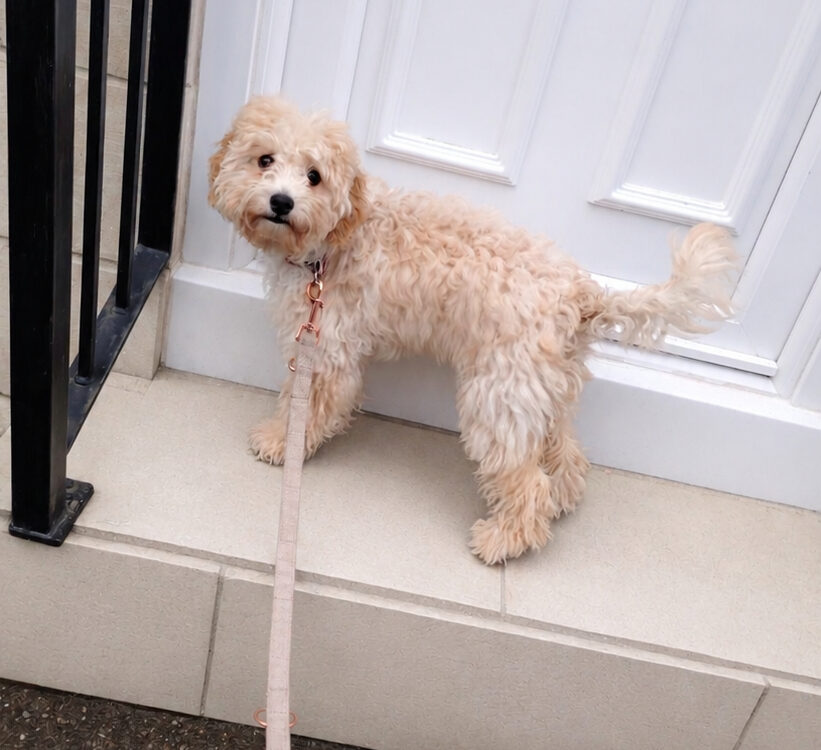

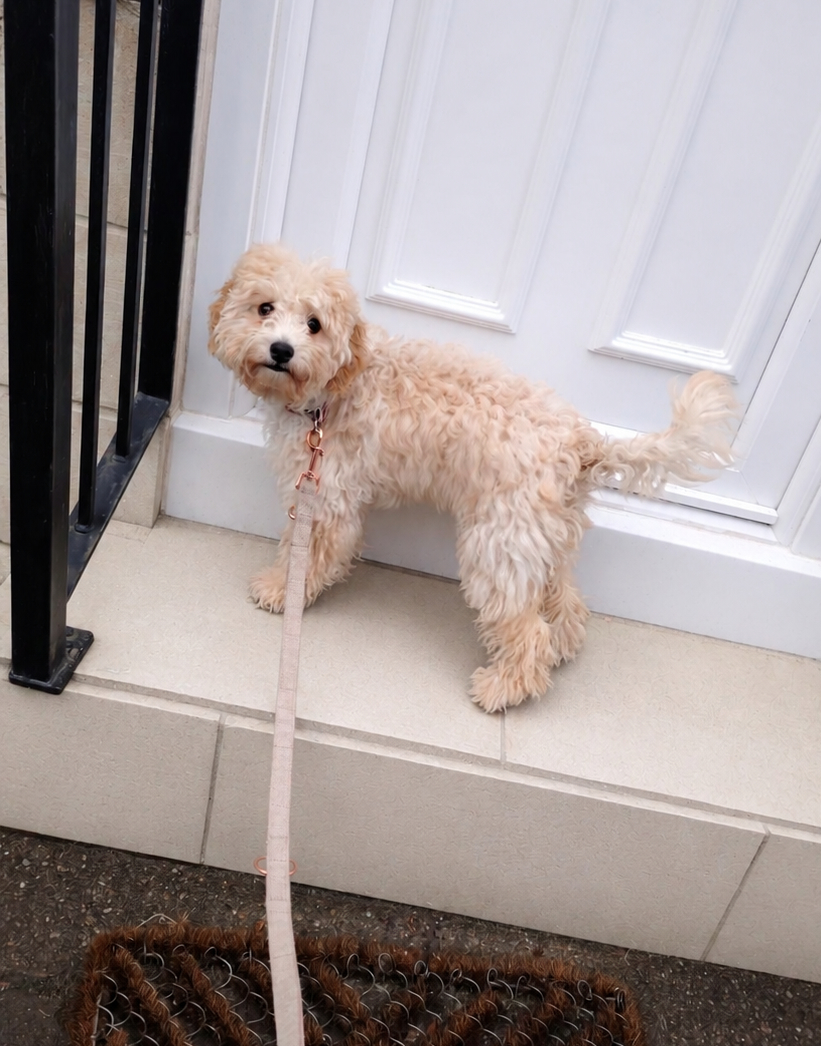
If you have ever hesitated over a tenant’s request to bring a dog or cat into your property, you are in good company. It is one of the most common questions Glasgow landlords ask us. And for years, the default answer was a resounding “yes”.
When you look at both the evidence and where the law in Scotland is heading, allowing pets is one of the easiest ways to attract better tenants, keep them for longer, and make your property stand out. Done properly, it is good for your tenant and good for your return.
Here is why we would encourage almost any landlord to say yes.
Most renters have a pet, or want one
According to UK Pet Food, around 62% of UK households now own a pet, which is more than half the country! If you advertise a property as “no pets”, you are quietly turning away a huge slice of potential renters who might otherwise want to live there, and it is a slice that is crying out for somewhere to live.
Pet-friendly rentals are genuinely scarce. Research by Inventory Base found that only around 6% of rental listings in England were advertised as pet-friendly, and pet owners across the UK routinely struggle to find a home that will take them. So, a well-presented property that welcomes pets does not just attract more interest. It tends to mean faster lets, fewer empty weeks, and a stronger pool of applicants to choose from.
Pet owners stay longer, and that is where the real value is
This is the benefit that matters most to your bottom line.
The Scottish Government’s own assessment of the recent housing reforms made the point plainly: tenants who feel at home tend to look after the property better and stay for longer. Pet owners know exactly how hard it is to find pet-friendly homes, so once they have one, they are far less likely to move on a whim, which is exactly what you want.
Longer tenancies are quietly one of the most profitable things that can happen to a rental property. Every time a tenancy ends, you face costs that eat into your yield: a void period with no rent coming in, re-marketing, referencing, cleaning, and the time it all takes to sort. A tenant who stays an extra year or two because they have settled in with their dog saves you all of that.
A pet helps a house become a home
There is something simple underneath all the figures. For a lot of people, a property only truly becomes home once their pet is curled up in it. The animal charity Battersea found that landlords themselves often say the same thing: that tenants with pets are more settled and more likely to treat the property as their own.
That matters to us because we have always believed tenant wellbeing and landlord returns pull in the same direction, not against each other. A tenant who feels at home is a tenant who will look after your property, pay on time, communicate openly, and stay. Happy tenants make for uneventful tenancies. And uneventful, in lettings, is exactly what you want.
“But what about the damage?”
This is the worry that stops most landlords, and it is a fair one. So it is worth looking at what actually tends to happen, rather than what we fear might.
Battersea’s research found that nearly 80% of landlords reported no pet-related damage at all at the end of a tenancy. And where there was damage, the average cost was around £300, considerably less than the average for non-pet-related damage, which came in closer to £775. The vast majority of landlords also reported no noise complaints from neighbours. In other words, the nightmare scenario is far rarer than the reputation suggests.
You are also well protected here in Scotland. The tenancy deposit can be up to two months’ rent, which is more than landlords get in England, and the Scottish Government’s model tenancy agreement specifically lets you factor a pet into the deposit you take, as long as the total stays within that two-month cap. If a pet does cause damage, or extra cleaning is needed, those costs can be deducted from the deposit at the end of the tenancy, and anything beyond it can be pursued through the First-tier Tribunal. The rules may loosen further in future, too: the 2025 Act gives Scottish Ministers the power to allow a supplementary pet deposit on top of the usual cap, subject to consultation.
The point is not that pets carry zero risk. The risk is small, manageable, and already covered by the protections you have.
The law is moving this way anyway
Here is the other thing worth noting: the choice to allow pets is increasingly being made for landlords.
In England, the Renters’ Rights Act has, since May 2026, given tenants a legal right to request a pet that landlords cannot unreasonably refuse. And here in Scotland, it is heading the same way. The Housing (Scotland) Act 2025 includes a very similar right for tenants to request permission to keep a pet, with landlords required to consider the request fairly and explain any refusal in writing. That part of the Act is not yet in force, as a start date still has to be set, but the direction of travel is clear.
So our advice would be to get ahead of it now, on your own terms, and enjoy the benefits while pet-friendly homes are still rare.
How to say yes, and do it well
Saying yes does not mean handing over the keys and hoping for the best. A few sensible steps keep everyone protected:
- Put it in writing. Always give consent in writing and add a clear pet clause to the tenancy agreement that covers supervision, cleaning, and looking after the garden. We use a separate Pet Agreement, which is digitally signed by the tenant.
- Get a proper inventory. A detailed, photographed check-in report at the start gives you and your tenant a shared, fair record of the property’s condition.
- Inspect regularly. We conduct routine inspections, with proper notice, which enables us to spot anything early and keep the relationship open and honest.
- Treat assistance animals separately. These are not classed as pets. Under the Equality Act, an assistance dog for a disabled tenant must be allowed regardless of any pet policy.
Get those basics right and “pet-friendly” stops being a risk and becomes a competitive advantage.
The bottom line
Allowing pets widens your pool of tenants, fills your property faster, keeps good tenants for longer, and helps them feel genuinely at home, all while the protections you need stay firmly in place. With the law in Scotland moving steadily toward pet-friendly renting, landlords who embrace it now will benefit most.
At Western Lettings, we help our landlords welcome pets the right way, with proper pet agreements, thorough inventories, sensible conditions, and regular inspections, so you get all of the upside and none of the guesswork.
If you would like to talk through whether opening your property to pets is right for you, speak to one of our Glasgow lettings experts. Or if you are weighing up your options, get an instant rental valuation to see what your property could achieve.